


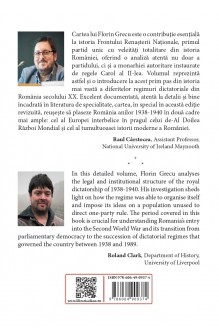


AUTOR: Florin Grecu
ANUL APARIȚIEI: 2023
ISBN: 978-606-49-0937-4
NR. PAGINI: 542
FORMAT: 14.5x20.5
Prefață de Ioan Stanomir
Postfață de Sabin Drăgulin
„Baza documentară a cercetării este extrem de vastă, ea incluzând acele surse primare care pot da o imagine asupra gramaticii FRN, ca parte din gramatica regimului totalitar. Florin Grecu a investigat cu atenție fondurile de arhivă, oferind punere în pagină care este în egală măsură plină de acuratețe și atentă la detaliile de istorie politică și intelectuală. Cartea lui Florin Grecu este, în cele din urmă, o contribuție importantă la organizarea unui șantier de cercetare. Ea formulează ipoteze de lectură și pregătește viitoarele eforturi de a interoga un interval istoric ce anunță intrarea României în era tiraniilor.”
Prof. univ. dr. Ioan Stanomir
Facultatea de Științe Politice Universitatea București
„Noutatea pe care autorul o prezintă specialiștilor este modul în care imensa activitate de cercetare, bazată pe surse primare de mare importanță și a lucrărilor de specialitate reprezentative a fost interpretată. În opinia mea, alături de condițiile obligatorii pentru realizarea unei lucrări de calitate care țin de rigoarea identificării și clasificării informațiilor este necesar ca interpretarea acestora să reflecte o deschidere intelectuală cât mai largă, iar dl. Grecu are meritul de a fi reușit să atingă acest obiectiv.”
Prof.univ.dr. Sabin Drăgulin
Facultatea de Științe Politice și Administrative, Universitatea „Petre Andrei” din Iași
Referințe specifice
Lucarea este binevenită și utilă pentru cunoașterea unei perioade frământate din istoria României, titlul evidențiază clar subiectul abordat.
Felicitări autorului pentru demersul științific întreprins.
AUTOR: Gheorghe Șelaru
ANUL APARIȚIEI: 2023
ISBN: 978-606-49-0924-4
NR. PAGINI: 490
FORMAT: 14.5x20.5
Prefață de Pr. dr. Gheorghe Bogdan
Surghiunul - Drumul pătimirilor prin Siberia de gheață - Mărturisiri ale victimelor regimului comunist de ocupație - 76 de ani de la prima deportare în masă din 13 iunie 1941
| AUTORI: Maria Nestor-Șoimu/ Elena Șoimu-Postolachi |
| ANUL APARIŢIEI: 2017 |
| ISBN: 978-606-711-610-6 |
| NR. PAGINI: 424 |
| FORMAT: 14,5x20,5 |
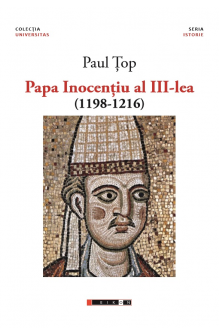
| AUTOR: Paul Țop |
| ANUL APARIŢIEI: 2017 |
| ISBN: 978-606-711-665-6 |
| NR. PAGINI: 360 |
| FORMAT: 14,5x20,5 |
AUTOR: Raluca Georgiana Săftescu-Coșcodaru
ISBN: 978-606-49-0619-9
ANUL APARIȚIEI: 2022
NR. PAGINI: 393
FORMAT: 14.5X20.5
| AUTOR: Virginia Stanciu-Butescu |
| ANUL APARIŢIEI: 2017 |
| ISBN: 978-606-711-617-5 |
| NR. PAGINI: 286 |
| FORMAT: 13x20 |
AUTOR: Corneliu Șenchea
ANUL APARIȚIEI: 2018
ISBN: 978-606-711-915-2
NR. PAGINI: 348
FORMAT: 14,5x20,5
| AUTOR: Ștefan Munteanu |
| ANUL APARIŢIEI: 2019 |
| ISBN: 978-606-49-0131-6 |
| NR. PAGINI: 276 |
| FORMAT: 14.5x20.5 |
AUTOR: N. Iorga
TITLU: Un apărător al săracilor. „Domnul Tudor” din Vlădimiri (cca. 1780 - 1821)
ANUL APARIȚIEI: 2022
ISBN: 978-606-49-0814-8
NR. PAGINI: 96
FORMAT: 13x20
Ediţie îngrijită, notă asupra ediţiei și cuvânt introductiv de Alin L. Mărginean
Prefaţă de Alecu Racoviceanu
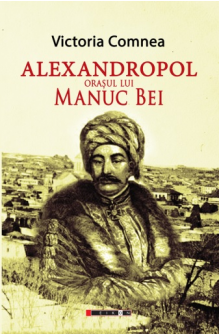
| AUTOR: Victoria Comnea |
| ANUL APARIŢIEI: 2016 |
| ISBN: 978-606-711-503-1 |
| NR. PAGINI: 258 |
| FORMAT: 13x20 |
|
AUTOR: Romulus Roman |
|
ANUL APARIŢIEI: 2019 |
|
ISBN: 978-606-49-0082-1 |
|
NR. PAGINI: 144 |
|
FORMAT: 14.5x20.5 |
|
Prezentarea, selecţia şi îngrijirea documentelor de Dora MEZDREA COLECŢIA: UNIVERSITAS ANUL APARIŢIEI: 2013 NR. PAGINI: 796 FORMAT: B5 |
AUTOR: Mircea Platon
COLECŢIA: PUBLICISTICĂ, ESEURI
ANUL APARIŢIEI: 2016
NR. PAGINI: 546
FORMAT: 14,5x20,5
| AUTOR: Carmen Ciornea |
| ANUL APARIŢIEI: 2017 |
| ISBN: 978-606-711-708-0 |
| NR. PAGINI: 366 |
| FORMAT: 14,5x20,5 |
Colecția "Drumul către România modernă", nr.5
AUTOR: Coordonator Alin L.Mărginean
ANUL APARIȚIEI: 2025
ISBN: 978-606-49-1439-2
NR. PAGINI: 96
FORMAT: 13x20
| AUTOR: Bogdan Georgescu |
| ANUL APARIŢIEI: 2015 |
| ISBN: 978-606-711-302-0 |
| NR. PAGINI: 284 |
| FORMAT: 14.5x20.5 |
DOSARUL MARIN PREDA (viața si moartea unui scriitor în anchete, procese-verbale, arhive ale Securității, mărturii si foto-documente)
| AUTOR: Mariana Sipoș |
| ANUL APARIŢIEI: 2017 |
| ISBN: 978-606-711-666-3 |
| NR. PAGINI: 234 |
| FORMAT: 13x20 |
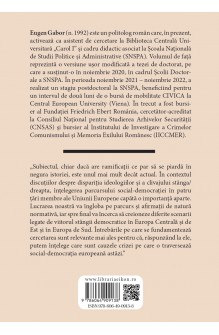
AUTOR: Eugen Gabor
ANUL APARIȚIEI: 2023
ISBN: 978-606-49-0913-8
NR. PAGINI: 686
FORMAT: 14.5x20.5
AUTOR: Andra Karla Anghel-Sienerth
ISBN: 978-606-49-0275-7
ANUL APARIŢIEI: 2020
NR. PAGINI: 424
FORMAT: 14.5x20.5
|
AUTOR: Elena Florea ANUL APARIŢIEI: 2014 NR. PAGINI: 116 FORMAT: 13x20cm |
| AUTOR: Manuela Camelia Sava |
| ANUL APARIŢIEI: 2017 |
| ISBN: 978-606-711-672-4 |
| NR. PAGINI: 310 |
| FORMAT: 14,5x20,5 |
AUTOR: George Enache
TITLU ȘI SUBTITLU: Monahismul ortodox românesc și modernitatea. De la Regulamentele Organice la Decretul 410
ANUL APARIȚIEI: 2024
ISBN: 978-606-49-1181-0
NR. PAGINI: 224
FORMAT: 17x24
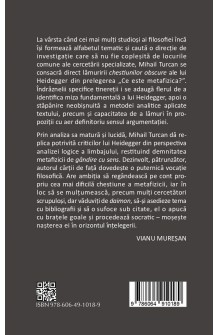
AUTOR: Mihail Turcan
ANUL APARIȚIEI: 2023
ISBN: 978-606-49-1018-9
NR. PAGINI: 106
FORMAT: 13x20
AUTOR: Gheorghe Șelaru
ANUL APARIȚIEI: 2023
ISBN: 978-606-49-0924-4
NR. PAGINI: 490
FORMAT: 14.5x20.5
Prefață de Pr. dr. Gheorghe Bogdan
AUTOR: Stela Cheptea și Silviu B. Moldovan
ANUL APARIȚIEI: 2018
ISBN: 978-606-711-730-1
NR. PAGINI: 528
FORMAT: 14,5x20,5
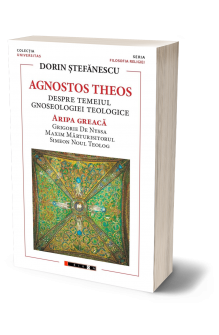
AUTOR: Dorin Ștefănescu
TITLU: AGNOSTOS THEOS - Despre temeiul gnoseologiei teologice. Aripa greacă: Grigorie De Nyssa, Maxim Mărturisitorul, Simeon Noul Teolog
ANUL APARIȚIEI: 2024
ISBN: 978-606-49-1071-4
NR. PAGINI: 426
FORMAT: 13x20
AUTOR: Octavian Onea
ANUL APARIȚIEI: 2023
ISBN: 978-606-49-0838-4
NR. PAGINI: 342
FORMAT: 17x24
AUTOR: Pr. Dr. Emanuel Sebastian Suciu
SUBTITLU: Un studiu despre efectele Revoluţiei Franceze asupra vieţii ecleziale
ANUL APARIȚIEI: 2023
NR. PAGINI: 660
ISBN: 978-606-49-1049-3
FORMAT: 14.5x20.5
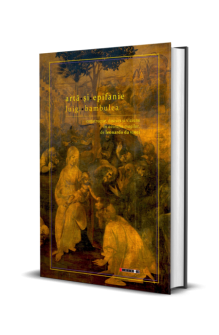
construcție, discurs și viziune în "Adorația Magilor", de Leonardo da Vinci
AUTOR: Luigi Bambulea
ANUL APARIȚIEI: 2024
ISBN: 978-606-49-1074-5
NR. PAGINI: 194
FORMAT: 17 x 24
S-ar putea să-ți placă și
|
AUTOR: Ionuț BUTOI COLECŢIA: UNIVERSITAS - ISTORIE SOCIALĂ ANUL APARIŢIEI: 2015 NR. PAGINI: 388 FORMAT: 14,5x20,5 |
|
AUTOR: Sorin BORZA COLECŢIA: ESEU ŞI CRITICĂ LITERARĂ, PROZĂ, POEZIE ANUL APARIŢIEI: 2014 NR. PAGINI: 218 FORMAT: A5 |
|
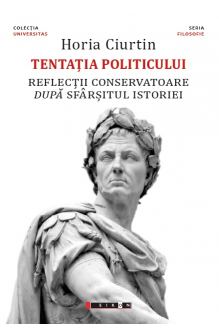
AUTOR: Horia CIURTIN COLECŢIA: UNIVERSITAS ANUL APARIŢIEI: 2015 NR. PAGINI: 156 FORMAT: 14,5x20,5 |
| AUTOR: Bogdan Ficeac |
| ANUL APARIŢIEI: 2017 |
| ISBN: 978-606-711-655-7 |
| NR. PAGINI: 128 |
| FORMAT: 13x20 |
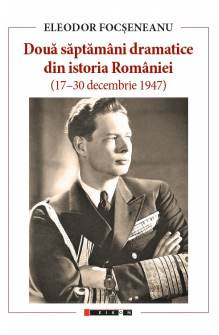
AUTOR: Eleodor Focșeneanu
ISBN: 978-606-49-0184-2
ANUL APARIŢIEI: 2019
NR. PAGINI: 190
FORMAT: 13x20
AUTOR: Florin Grecu
ANUL APARIȚIEI: 2023
ISBN: 978-606-49-0937-4
NR. PAGINI: 542
FORMAT: 14.5x20.5
Prefață de Ioan Stanomir
Postfață de Sabin Drăgulin




























14-01-2025
The Political Architecture of the First Single Party in the Hist
Over my Christmas break, I found time to finish reading Arhitectura politică a primului partidu unic din istoria României: Frontul Renaşterii Naţionale (The Political Architecture of the First Single Party in the History of Romania: The Front of National Rebirth) by Florin Grecu. I had been anxious to read this book since I learned of the publication of a new edition in 2023. The text analyzes the political structure created under the royal dictatorship of King Carol II of Romania from February 1938 to September 1940. In December 1938, after outlawing all other political parties nine months earlier, the monarch established the Front of National Rebirth. Until September 1940, Romania had its first experience with one-party rule. The short life of the Front of National Rebirth (renamed the Party of the Nation in June 1940) means that historians often skip over it. Therefore, Grecu’s book is an important contribution to the study of dictatorship in Romania during the twentieth century.
Grecu is a political scientist, so the book is less a history of the Front of National Rebirth than a political analysis of the party’s organization and functioning within the context of wider debates in totalitarian studies. The author uses the theories of Hannah Arendt, Ernst Nolte, and other noted scholars of totalitarianism to analyze this Romanian case. The detailed breakdown of party organization (including its paramilitary wing, the National Guard), ministerial oversight, electoral system, parliamentary procedures, paramilitary youth organizing, and other subjects provide a full understanding of the first one-party state in Romania. Overall, Grecu concludes that the Front of National Rebirth was an authoritarian system rather than a totalitarian one – although he sees a more radical turn toward the end of the royal dictatorship under the Party of the Nation. The party’s main purpose was to try to negate the success of the fascist Legion of the Archangel Michael (also known as the Iron Guard) to buttress the monarchy and existing elite.
I really appreciated how much Grecu approached the Front of National Rebirth on its own terms. The party is so often described as just a poor copy of fascist parties elsewhere in Europe at the time. In contrast, this book grounds the creation of the one-party state as an organic development rooted in interwar liberal democracy in Romania. Declarations of martial law, using the state apparatus to swing election results, censorship of the press, and other such undemocratic practices were common throughout the 1920s and the 1930s. Thus, the Front of National Rebirth was built on a firm illiberal foundation. Nevertheless, the Carlist regime also cast about Europe for inspiration from fascist regimes, especially regarding corporatism. Grecu points out that more often than not Romanian authoritarianism imitated Italian Fascism rather than German Nazism. While the party promised “rebirth,” and adopted some trappings of fascism, it really propped up the traditional elites and did little to change the existing social-economic system in Romania.
Grecu’s book is a fine example of scholarship delving into Romania during the Second World War. It lays the groundwork for further study of the royal dictatorship and what followed. The militarization of the state under the king helps explain how dictator General Ion Antonescu later lead Romania without a party – following a brief collaboration with the Iron Guard – from January 1941 to August 1944. The Front of National Rebirth may have also provided a model for the Romanian Communist Party on how to run Romania as a one-party state after it seized power in 1948. This book convincingly demonstrates that the king and his party ought to be taken more seriously by historians.